Progressive Driving Lessons: copyright for Our Professional Driving Course Now!
Progressive driving lessons offer a comprehensive approach to mastering vehicle operation. Joining an instructor-led program can greatly develop a student's abilities and self-assurance. The program is meticulously planned to encompass introductory and sophisticated skills, accommodating different skill levels. Understanding what to expect in these classes can be incredibly valuable. There are several key components that foster productive learning and exam preparation.
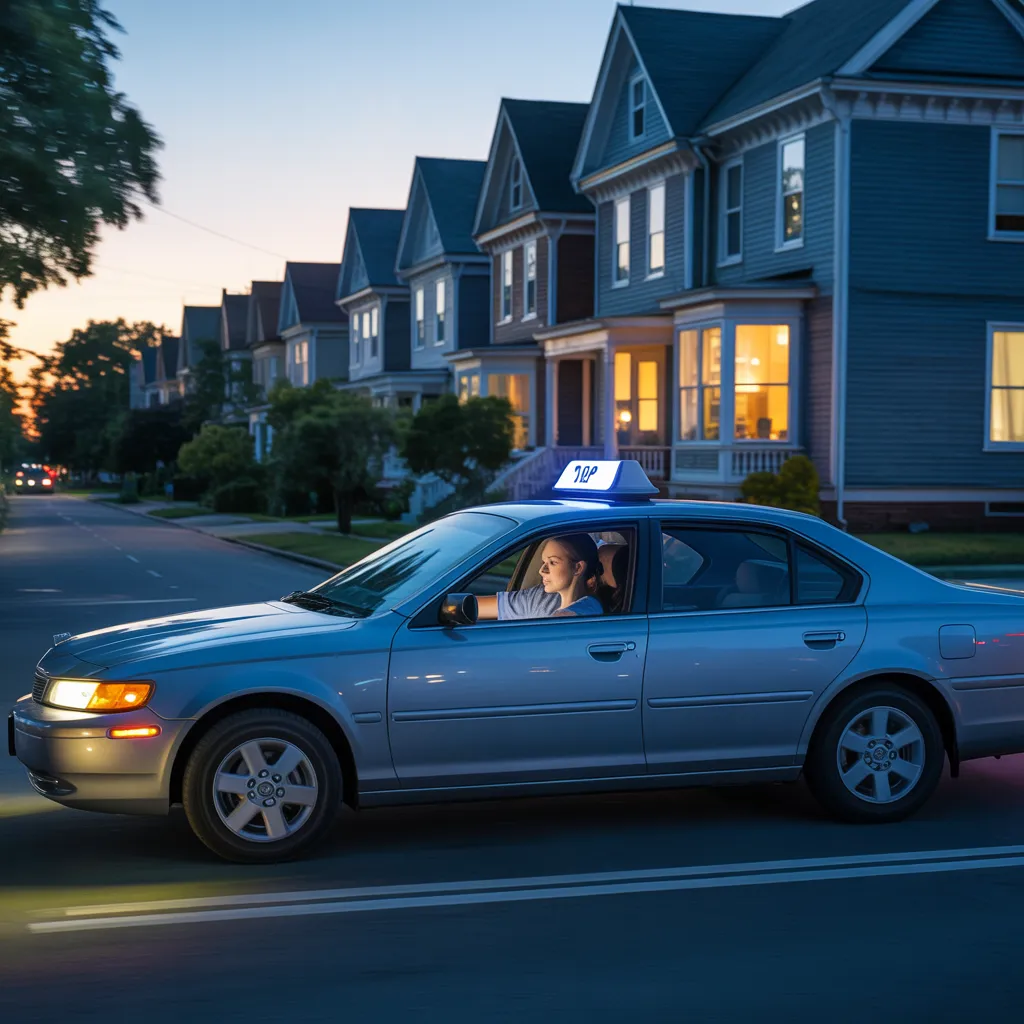
What to Anticipate in Your First Driving Lesson
As soon as a student enters their initial driving class, they may feel a mix of enthusiasm and apprehension. The instructional space, often filled with fellow students, sets the stage for a significant experience. Instructors typically open with introductions, explaining the course structure and safety protocols. Students can expect to receive educational materials, including booklets and printed materials, which will function as important guides throughout their course of study.
The primary emphasis is primarily on understanding the vehicle's controls, fundamental road signs, and fundamental traffic laws. Teachers often highlight the importance of staying calm behind the wheel. Students are encouraged to ask questions, fostering a supportive learning atmosphere. Following the classroom instruction, many classes include practical exercises, where students become familiar with the car in a safe environment. This combination of theory and practice readies learners for the road ahead, building self-assurance as they embark on the road to becoming responsible and capable drivers.
Driving Curriculum: Basics to Advanced
An extensive driver training program includes a journey from essential skills to sophisticated methods, ensuring that new drivers build a strong grounding before approaching more advanced traffic conditions. At the outset, new drivers practice basic vehicle operation, including vehicle steering, brake control, and acceleration. They are introduced to important driving laws, road markings, and responsible driving habits, giving a detailed understanding of the highway code.
As students demonstrate capability in these foundational areas, the program progresses to more complex abilities. This involves navigating different road surfaces, managing adverse weather conditions, and excelling in defensive driving methods. Additionally, drivers gain experience with high-speed roadways and complicated intersections, improving their capacity to make quick decisions under pressure.
Throughout the curriculum, teachers emphasize the importance of situational awareness and accountable driving conduct. This structured approach equips students not only to succeed in their driving examinations but also to become confident and competent drivers in diverse environments.
Gaining Confidence as a New Driver
Novice drivers commonly struggle with developing their self-assurance while driving. Starting out as a driver can be quite intimidating, given the many tasks involved and the continuous requirement for attention. To help reduce stress, beginner drivers can gain from steady, hands-on experience across different driving scenarios. Commencing practice in areas with minimal traffic gives them the opportunity to strengthen core competencies away from the stress of busier, more intricate road conditions.
Regular practice is essential; spending more time behind the wheel helps new drivers grow more at ease with their car and environment. Moreover, participating in professionally guided driving lessons delivers structured instruction and knowledgeable support, nurturing a sense of reassurance. Constructive feedback from teachers and supportive classmates can additionally strengthen a new driver's sense of self-assurance. As abilities develop with time, novice drivers will discover that their assurance increases, turning driving from a demanding activity into a more rewarding and freeing endeavor.
Steps to Prepare for Your Driving Exam
How should a new driver go about preparing for their driving test? Proper preparation plays a vital role in achieving success. As a starting point, becoming familiar with the vehicle is highly recommended. New drivers must ensure they are comfortable operating all vehicle controls, such as lights, wipers, and signals. Next, practicing maneuvers such as parallel parking, three-point turns, and lane changes will enhance their skill set.
Moreover, reviewing the local traffic laws and rules can offer useful information into what the examiner will expect. Scheduling a mock test with a skilled instructor can recreate the examination setting, helping to reduce anxiety.
Ultimately, verifying all essential documents are in order, such as the provisional permit and ID, is vital. By implementing these measures, new drivers can face their driving test with confidence, improving their likelihood of Driving Lesson succeeding on the initial try.
Popular Questions About Driving Lessons
What should prospective drivers know before starting lessons? A great number of individuals have frequent inquiries concerning the driving lesson process. First, they often wonder about the age requirements; the majority of regions require that students be a minimum of 16 years old to acquire a learner's permit. A common question also relates to the length of lessons; typically, each session lasts about one to two hours, depending on the student's needs and skills.
Prospective drivers also frequently ask about the expenses related to driving lessons. Prices can vary widely based on where you live and the experience of your instructor. Moreover, many question whether they must bring their own vehicle; nearly all driving schools offer cars fitted with dual control systems for the safety of students.
Lastly, students often inquire about the course content. Complete classes typically include essential driving skills, traffic laws, and safety practices, guaranteeing that pupils are thoroughly prepared for both their driving test and real-world driving situations.
What Makes Expert-Led Driving Lessons a Great Choice?
What makes expert-led driving lessons better than informal instruction? The response can be found in the quality and efficiency of the instruction delivered. Expert instructors possess extensive knowledge of driving techniques, traffic laws, and safety protocols, making certain that learners are provided with a thorough and detailed education. They employ a structured curriculum that builds skills progressively, allowing students to better understand challenging concepts.
In addition, professionally taught classes regularly integrate real-life circumstances, empowering drivers to manage different driving environments with assurance. Driving professionals can offer tailored guidance and adjustments, which are invaluable for establishing sound driving skills. Furthermore, their expertise allows them to tailor lessons to each student's unique approach, optimizing learning outcomes and competency growth.
In addition, skilled instructors consistently keep abreast of the latest regulations and advancements in driving education, confirming that their methods adhere to the latest industry standards. This professionalism makes expert-led driving lessons a superior choice for individuals aiming to develop strong driving abilities.

Common Questions and Answers
At What Age Can I Begin Taking Driving Lessons?
Typically, individuals can initiate taking driving lessons at the age of 16, though certain areas permit students to start at 15. It's necessary to consult local requirements regarding age eligibility requirements for driver education.
Do You Offer Driving Lessons on Weekends?
Driving lessons can often be scheduled on weekends, catering to various schedules. A large number of driving schools understand the popularity of weekend lessons, enabling learners to develop their driving skills without disrupting their weekday routines.
Can I Use My Own Car for Lessons?
Students can generally bring their personal vehicles for learning to drive, as long as the car satisfies safety standards and is functioning properly. Instructors commonly recommend this approach to guarantee confidence and ease during the learning process.
What Occurs if I Skip a Class?
When a student is absent from a class, it may be necessary for them to reschedule or complete a makeup session. Rules surrounding attendance are not uniform, so students are encouraged to consult with their instructor to learn about potential penalties or available arrangements.
Can I Book Lessons for Automatic and Manual Cars?
That's correct, the course offers training for both manual and automatic cars. Students can choose their preferred transmission type, ensuring they receive tailored instruction that fulfills their specific driving needs and preferences for skill development.